
Apartment Safety 101: How to Protect Yourself, Secure Your Space, and Build a Practical Personal Safety Plan
Quick Answer
Apartment safety works best when you think beyond locks, alarms, and self-defense tools. The safest apartments combine secure entry points, smart daily habits, awareness in shared spaces, emergency preparedness, reliable communication, and responsible decisions about any personal safety products you choose to own.
No single lock, camera, spray, gel, or launcher can protect you in every situation. Real safety comes from layers that work together. A good apartment safety plan helps reduce opportunities for problems, gives you more time to react when something feels off, and helps you make better decisions when stress is high.
This guide is for general safety education only. It is not legal advice. Laws regarding pepper spray, pepper gel, pepper ball launchers, impact rounds, possession, storage, carry, shipping, and defensive use vary by state, city, building policy, workplace policy, school policy, and individual circumstances. Before buying, carrying, storing, or using any self-defense product, verify the laws and policies that apply where you live, work, travel, and attend school.
Why Apartment Safety Requires a Layered Plan
Most people think apartment safety starts and ends with the front door. In reality, your safety is shaped by dozens of small decisions and conditions that exist long before you turn the deadbolt at night.
Think about a normal day. You park your car, walk through a parking lot, enter a building, ride an elevator, check your mail, carry groceries through a hallway, unlock your door, and move through shared spaces with neighbors, guests, delivery drivers, maintenance workers, and people you've never met. Every one of those moments creates opportunities to either increase or reduce risk.
That is why the safest renters tend to think in layers rather than single solutions.
A lock helps slow unwanted access. Good lighting helps you recognize problems earlier. A habit of checking in with someone you trust can help people notice when something is wrong. Emergency contacts, first aid supplies, and an exit plan can make stressful situations easier to manage. Personal safety tools may have a role in certain circumstances, but they are only one part of a much larger system.
The first layer is prevention.
Many safety problems can be reduced before they happen by choosing a building with strong access control, working locks, reliable maintenance, adequate lighting, and clearly defined visitor procedures. The National Crime Prevention Council highlights fundamentals such as deadbolts, peepholes, key control, and sliding-door security because simple physical barriers still play an important role in apartment safety.
The second layer is awareness.
Apartment living involves constant transitions. You move from public spaces into private spaces multiple times every day, often while distracted by your phone, groceries, work stress, packages, or daily routines. Parking lots, hallways, stairwells, elevators, laundry rooms, and building entrances deserve just as much attention as your apartment door. USC public safety guidance recommends keeping doors and windows secured, avoiding propped entryways, and staying aware of your surroundings because awareness often provides the earliest warning that something is not right.
The third layer is preparedness.
Preparedness does not mean expecting the worst. It means thinking through common situations before they happen. Knowing who you would call during an emergency, understanding your building's evacuation procedures, keeping a charged phone nearby, maintaining basic first aid supplies, and understanding any personal safety tools you choose to own are all part of being prepared.
If less-lethal self-defense tools are part of your research, Pepper Ball Guns 101: The Complete Guide to Less-Lethal Self-Defense explains how pepper ball launchers, training considerations, and defensive preparedness fit into a broader personal safety strategy.
The goal is not to make apartment living feel dangerous. The goal is to build enough awareness, preparation, and confidence that everyday situations feel more manageable. The strongest apartment safety plans are often the simplest ones because they rely on habits that are easy to repeat consistently.

What to Check Before You Move Into an Apartment
Before signing a lease, try to evaluate the apartment the same way you would evaluate a neighborhood, a vehicle, or any place where you'll spend a significant amount of time. Square footage and rent matter, but they do not tell you much about how safe and comfortable daily life will feel once you actually live there.
One of the simplest ways to assess an apartment is to imagine your normal routine from start to finish.
Where will you park when you come home after dark? How far will you walk from a transit stop, parking space, or rideshare drop-off point to your door? Will you pass through a well-lit lobby or a poorly lit stairwell? Will you be carrying groceries through an isolated hallway or entering through a busy, visible entrance?
Questions like these often reveal more than a quick tour ever will.
Pay close attention to the building itself. Exterior doors should close and latch properly. Controlled-access entrances should actually function as intended. Lighting should be adequate around entrances, parking areas, walkways, and other commonly used spaces. If something feels neglected during the tour, consider whether it will be improved after you move in or whether it reflects how the property is generally maintained.
Inside the unit, focus on the basics first. The front door should feel solid and secure. Deadbolts should operate smoothly. Peepholes should provide a clear view of the hallway. Window locks should function properly, and sliding doors should not feel loose or vulnerable. Small issues may seem insignificant during a showing, but those same issues become daily frustrations once the apartment becomes your home.
It is also worth paying attention to the spaces between destinations. Laundry rooms, mailrooms, package areas, elevators, stairwells, parking garages, bike storage rooms, and trash areas all become part of your routine. A beautiful apartment unit can feel very different if residents regularly pass through poorly maintained or isolated common areas.
Ask questions that most prospective renters overlook.
Who controls keys and access credentials? Are locks rekeyed between tenants? How are maintenance workers identified before entering a unit? What is the process for reporting broken lights, damaged locks, or security concerns? How quickly are repairs typically completed?
The answers often tell you as much about apartment safety as the physical property itself.
A safe apartment is not simply a collection of locks and cameras. It is the combination of physical security, responsible management, consistent maintenance, and daily routines that support residents long after move-in day.
How to Secure Your Apartment Door and Windows
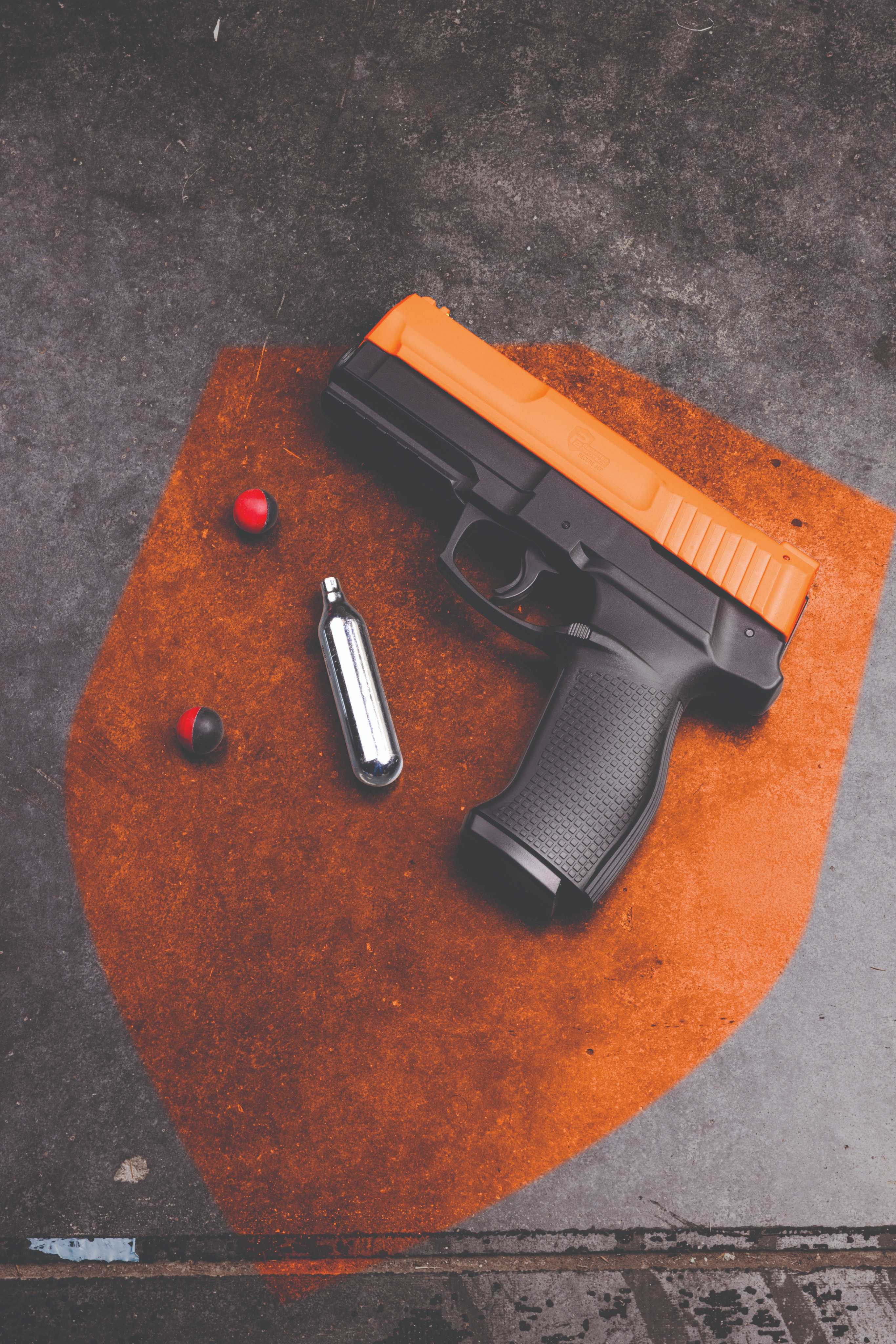
For most renters, the apartment door is the most important physical barrier between private living space and the outside world. Yet many people focus on buying security products before they fully understand the strengths and weaknesses of the door they already have.
Start with the basics.
A secure apartment door should close easily, latch completely, and lock without forcing the handle or key. The frame should feel solid. Hinges should be secure. The deadbolt should extend fully into the strike plate. If the door drags, rattles, sticks, or requires extra effort to lock, there may be a maintenance issue worth addressing before considering additional security measures.
Many renters assume security upgrades require expensive hardware. In reality, some of the most valuable improvements come from making sure existing features actually work the way they were intended.
The peephole is a good example. It is a simple feature that many residents stop using entirely. Yet it provides an opportunity to verify visitors before opening the door and can help prevent unnecessary surprises from maintenance personnel, delivery drivers, solicitors, or unexpected visitors.
Visitor verification deserves more attention than many renters give it.
People often think of apartment security as a hardware problem, but access is frequently granted voluntarily. Before opening the door, verify who is there whenever possible. Use a peephole, intercom, camera, or phone call. If someone claims to represent management, maintenance, a utility company, or another service provider, confirm through an official contact number rather than relying solely on information provided at the door.
Windows deserve the same level of attention.
Many renters rarely think about window security, especially if they live on an upper floor. However, ground-floor units, units with balconies, apartments near fire escapes, and apartments adjacent to climbable structures may present different considerations than residents expect. A functioning lock matters far more than a screen, which is designed for ventilation rather than security.
Sliding doors require additional attention because they often become a natural point of focus during apartment security discussions. Tracks should be inspected regularly, locks should function properly, and any additional security measures should comply with lease requirements while preserving safe emergency exit options.
If your lease allows improvements, discuss approved upgrades with property management before making changes. Depending on the building, that may include door reinforcement hardware, upgraded strike plates, improved viewers, or approved smart-lock systems.
If permanent modifications are not permitted, renter-friendly solutions may still be available. Portable security devices, temporary reinforcement products, and removable alert systems can provide additional peace of mind in some situations. Before using any product, confirm that it complies with lease requirements and does not interfere with emergency evacuation procedures.
Most importantly, remember that apartment security begins before the lock engages.
A resident who verifies visitors, pays attention to shared spaces, notices maintenance issues early, and consistently follows good security habits often gains far more protection than someone who relies solely on a new gadget. Effective apartment security is usually the result of several small decisions working together rather than one product solving every problem.
Daily Safety Habits for Living Alone or Coming Home at Night
Most apartment safety decisions are not made during emergencies. They happen during ordinary moments that feel too routine to think about.
You lock the door after carrying in groceries. You walk from the parking lot after work. You answer a knock at the door on a Saturday afternoon. You check the mail, take out the trash, or step into the hallway to grab a package.
The habits you build around those everyday moments often have a greater impact on personal safety than any piece of equipment you could buy.
One of the most valuable habits is creating a consistent arrival routine. Many people spend the last few minutes of their commute mentally checking out. They are thinking about dinner, responding to messages, listening to a podcast, or replaying the events of the day. By the time they reach their apartment, their attention is somewhere else entirely.
That is understandable, but it is also why the transition from outside to inside deserves a little more focus.
Before leaving your car or stepping away from a rideshare, take a moment to look around. Notice who is nearby. Pay attention to building entrances, parking areas, and the path you'll take to your door. The goal is not to search for danger. The goal is simply to stay connected to your surroundings instead of moving on autopilot.
Have your key, fob, or access method ready before you reach the building. Few things make people more distracted than standing at a door or apartment entrance while digging through a bag looking for keys.
The same principle applies once you're home.
Lock doors and windows consistently, even when you're inside. Many people lock up when they leave but become more relaxed when they're home. In reality, a secured apartment provides peace of mind regardless of whether you're sleeping, working remotely, showering, or simply relaxing after a long day.
Living alone also means thinking carefully about what information you share.
Social media has made it easy to reveal more than intended. Apartment numbers, recognizable views from balconies, regular schedules, favorite walking routes, travel plans, and recurring routines can all create a clearer picture of your life than most people realize. That does not mean you need to stop sharing experiences. It simply means being thoughtful about what is shared and when.
Communication is another often-overlooked layer of personal safety.
A simple check-in text after a late shift, a first date, a long drive, or a trip out of town can help someone notice more quickly if something is wrong. These habits take very little effort, but they create an additional layer of awareness that can be valuable during unexpected situations.
The goal is not to make daily life feel restricted. Good safety habits should feel almost invisible. The best routines are the ones that become automatic because they fit naturally into the way you already live.
Apartment Parking Lot, Hallway, Elevator, and Stairwell Safety
Most people think of home as beginning at their front door.
In reality, home starts much earlier.
It starts in the parking lot where you leave your vehicle. It starts at the building entrance, in the elevator, in the hallway, and in every shared space you pass through before stepping inside your apartment.
These areas are often called transitional spaces because they sit between public and private environments. They are also places where people tend to be distracted. You're carrying groceries, checking messages, juggling packages, looking for keys, thinking about work, or simply trying to get home.
That combination of routine and distraction is what makes these spaces worth paying attention to.
Consider a common example. You pull into your apartment complex after a long day. Your first instinct may be to sit in the car for a few minutes scrolling through your phone, finishing a conversation, or answering one last email. Most people have done it.
The problem is that your awareness narrows when your attention is fixed on a screen. By the time you finally step out of the vehicle, you may know less about your surroundings than you did when you arrived.
A better habit is to finish what you need to do before you park or after you've reached your apartment. Once you're parked, make the transition intentionally. Look around. Identify your route. Move toward the building with purpose.
The same mindset applies inside the building.
Hallways feel familiar because you walk through them every day. Familiarity can create a false sense of security. A hallway is still a shared space where residents, visitors, delivery drivers, contractors, maintenance workers, and strangers may pass through at any time.
One simple habit can make a surprising difference: have your keys ready before you reach your door.
People are often most distracted when they arrive home. They stop outside their apartment, set down bags, search through pockets, balance packages, and focus entirely on getting inside. Taking a few seconds to prepare before reaching the door allows you to stay more aware of your surroundings and enter more efficiently.
Elevators require a different kind of judgment.
Most elevator rides are completely uneventful, but there is nothing wrong with waiting for the next one if a situation feels uncomfortable. You do not need a dramatic reason. If something feels off, trust yourself enough to create options.
The same principle applies to stairwells.
A well-maintained stairwell may be perfectly comfortable to use. A poorly lit stairwell with limited visibility may deserve more caution. Context matters. Rather than thinking of elevators or stairwells as universally safe or unsafe, evaluate them based on lighting, visibility, maintenance, activity level, and your own comfort.
Laundry rooms, package rooms, and mail areas deserve attention for similar reasons. They often pull your attention away from your surroundings. You're sorting mail, reading labels, folding clothes, checking tracking information, or carrying items. The more focused you become on the task itself, the easier it is to stop noticing everything else around you.
Awareness does not require suspicion.
It simply means knowing what is normal for your building so unusual situations become easier to recognize. When you understand the rhythms of your apartment community, you notice sooner when something feels out of place.
Preparedness is not about expecting problems around every corner. It is about giving yourself more options when something unexpected happens. In many cases, the safest decision is also the simplest one: wait for another elevator, take a different route, return later, call someone, or leave a situation before it has a chance to develop further.
Those choices are rarely dramatic. They are simply examples of paying attention early enough to keep more options available.
How to Build a Personal Safety Plan for Your Apartment
The phrase "personal safety plan" can sound more complicated than it really is.
In practice, a personal safety plan is simply a collection of decisions made before you need them.
Most people have experienced a moment when stress made it harder to think clearly. A fire alarm sounds unexpectedly. A power outage affects the building. A lock stops working. Someone knocks at the door late at night. You arrive home and something feels different than usual.
Those moments are easier to manage when you've already thought through a few basic questions.
Who would you call first?
Where would you go if you couldn't stay in your apartment?
What would you do if your phone battery died?
Who knows where you live and how to reach you?
A personal safety plan doesn't need to be elaborate. In fact, simpler plans are often more effective because they're easier to remember when emotions are running high.
Start with communication.
Identify two or three people you trust and make sure they know how to reach you if needed. Share your address with the people who would realistically help during an emergency. Save important contacts in your phone, including building management, maintenance, emergency services, roadside assistance, and trusted friends or family members.
Next, think about physical movement.
Most renters know the route they normally use to enter and leave the building, but many have never considered what they would do if that route were unavailable. Spend a few minutes learning alternative exits, stairwells, and evacuation routes. If your building has emergency procedures, familiarize yourself with them before you need them.
The exercise may feel unnecessary until the day it isn't.
Emergency planning should also include practical essentials. A charged phone, backup charging options, flashlights, basic first aid supplies, and important medical information can all become valuable during unexpected situations. Ready.gov recommends documenting household information, emergency contacts, and other key details in advance because simple preparation often reduces confusion when emergencies occur.
A good personal safety plan also accounts for everyday situations that aren't emergencies.
If you work late, what is your normal check-in routine? If you're traveling, who knows you're away? If you're meeting someone for the first time, who has your location information? These small habits create layers of accountability and communication without adding complexity to your life.
The best safety plans don't make people feel anxious. They make people feel prepared.
When you have already made the basic decisions, you spend less time wondering what to do and more time focusing on the situation in front of you.
Less-Lethal Self-Defense Options for Apartment Renters
When people begin researching apartment safety, conversations eventually turn toward self-defense tools.
That interest is understandable. Most people want to know what options are available if avoidance, awareness, and preparation are no longer enough.
The challenge is that many discussions about self-defense start in the wrong place.
People often focus on products before they think about environment, legal restrictions, storage considerations, training, or whether a particular option actually fits their living situation. Apartment living introduces unique considerations that are different from those of a homeowner, a frequent traveler, or someone living in a rural area.
Before comparing products, it helps to step back and think about the role a self-defense tool is intended to play.
A defensive tool is not a replacement for awareness. It is not a substitute for secure doors, good habits, communication, or emergency planning. It is one component of a broader personal safety strategy designed to give someone additional options during specific circumstances.
Different categories of less-lethal tools come with different strengths and limitations.
Many renters consider personal alarms, high-output flashlights, pepper spray, pepper gel, or pepper ball launchers. Each option involves tradeoffs related to distance, storage, accessibility, training requirements, environmental considerations, and legal restrictions.
For example, a compact product may be easier to carry but may require closer proximity during an emergency. A larger platform may provide different capabilities but may require more deliberate storage, training, and familiarity. Neither approach is automatically right or wrong. The better choice depends on the individual, the environment, and the circumstances in which the tool may realistically be used.
Apartment living introduces another consideration that is often overlooked: space.
Small apartments frequently require people to balance accessibility with responsible storage. A tool that is immediately accessible may also be accessible to guests, roommates, children, or pets. A tool stored too securely may be difficult to access when needed. Finding the right balance is part of responsible ownership.
Legal compliance should always come before any purchase decision.
Do not assume a product is legal simply because it is available online or because it is legal in another state. Regulations can vary based on location, age, product type, shipping restrictions, local ordinances, workplace rules, school policies, and building-specific requirements.
Before purchasing any less-lethal product, review Restricted Shipping and verify current laws where you live, work, travel, and attend school.
Education should come before ownership.
If you are exploring pepper ball launchers and related products, Pepper Ball Guns 101: The Complete Guide to Less-Lethal Self-Defense provides a broader overview of how these systems work, common terminology, training considerations, and responsible use concepts.
Training matters just as much as product selection.
A tool that sits untouched in a drawer for years may provide less value than something simpler that you understand thoroughly. Responsible ownership means understanding storage requirements, legal responsibilities, maintenance considerations, and basic operation before relying on any defensive product.
The goal is not to own the most impressive tool.
The goal is to make informed decisions that support a larger personal safety strategy built around awareness, preparation, and responsible action.

Where to Store Safety Tools in a Small Apartment
Storage is one of the most practical challenges apartment renters face when evaluating personal safety tools.
Most apartments offer limited space, which means storage decisions often involve tradeoffs. A tool that is easy to access may also be visible to visitors. A tool that is completely hidden may be difficult to reach when needed. The goal is not simply accessibility or security alone. It is finding a balance between the two.
Think about your apartment in terms of activity zones rather than rooms.
The areas where you sleep, work, relax, enter, and spend the most time each create different considerations. What makes sense near an entryway may not make sense in a bedroom. What works for someone who lives alone may not work for someone with roommates, frequent visitors, children, or pets.
Responsible storage starts with controlling access.
Any personal safety product should be stored in a way that prevents unauthorized use while still supporting your overall safety strategy. That includes considering guests, maintenance personnel, cleaning services, visiting family members, and anyone else who may enter your apartment.
Roommates deserve special attention.
When multiple people share a living space, assumptions can create problems. If less-lethal tools are part of your apartment safety plan, have clear conversations about boundaries, storage locations, and who has access. Clarity helps prevent confusion and promotes responsible ownership.
Environmental conditions matter as well. Heat, humidity, direct sunlight, and improper storage can affect certain products over time. Always review manufacturer instructions before storing any safety-related equipment.
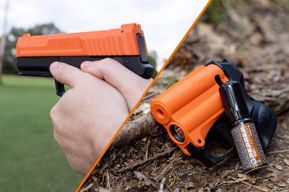
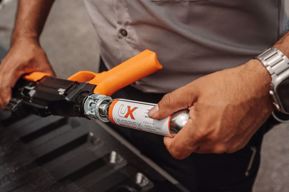
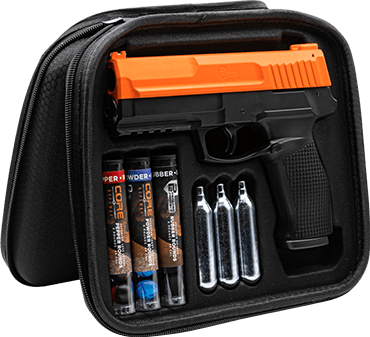
For renters using Prepared 2 Protect products, Product Manuals should be reviewed before storage, handling, or training. Understanding proper storage is part of responsible ownership, not something to consider only after a problem occurs.
The best storage solution is rarely the most obvious one. It is the one that balances accessibility, security, legal compliance, and the realities of everyday apartment living.
Common Apartment Safety Mistakes
Many apartment safety problems do not come from a lack of equipment. They come from small oversights that become habits over time.
One of the most common mistakes is relying too heavily on a single solution.
People sometimes place all their confidence in a camera, a lock, an alarm, or a self-defense tool while overlooking the routines and behaviors that support those measures. Effective apartment safety works because multiple layers complement one another. When one layer fails, another still exists.
Another common mistake is focusing only on the apartment unit itself.
Your daily routine extends far beyond your front door. Parking lots, hallways, stairwells, elevators, mailrooms, laundry facilities, and building entrances are all part of your safety environment. Ignoring those spaces can create blind spots in an otherwise thoughtful safety plan.
Oversharing is another issue many renters underestimate.
Posting travel plans in real time, sharing predictable routines, revealing apartment numbers, or publicly documenting when a unit is vacant can unintentionally provide more information than intended. Most people do not need to hide their lives. They simply benefit from being selective about what information is made public.
A final mistake is postponing preparation until after something goes wrong.
Whether that means waiting to learn emergency exits, delaying maintenance requests, neglecting first aid supplies, or purchasing a defensive tool without understanding the law, procrastination often creates avoidable stress. Preparation tends to be most valuable when it happens before it feels necessary.
Apartment safety does not require perfection. It simply requires paying attention to the details that have the greatest impact on daily life.
Key Takeaways
Apartment safety is not defined by a single product, lock, or security feature. It is the result of dozens of small decisions that shape how you move through your environment, secure your living space, communicate with others, and prepare for unexpected situations.
Start with the fundamentals. Evaluate your building, secure doors and windows, understand shared spaces, and develop routines that support awareness without creating unnecessary stress.
Pay attention to the moments that occur before you reach your apartment door. Parking lots, hallways, elevators, stairwells, mailrooms, and entrances often deserve just as much consideration as the apartment itself.
Build a simple personal safety plan that includes emergency contacts, communication habits, exit awareness, and basic emergency preparedness.
If personal safety tools are part of your strategy, take time to understand legal requirements, storage considerations, and responsible ownership practices before making a purchase decision.
The goal is not to live cautiously. The goal is to live confidently, knowing you have taken reasonable steps to make your environment safer and more manageable.
FAQ
What is the best way to make an apartment safer?
Start with the basics. Make sure doors and windows secure properly, understand how people access the building, pay attention to shared spaces, build consistent daily routines, and create a simple emergency plan. Apartment safety is usually the result of multiple small improvements rather than one major change.
How can I secure an apartment door without damaging it?
Begin by making sure existing locks, deadbolts, frames, and peepholes function properly. Many security concerns can be addressed through maintenance and approved repairs. Renter-friendly options such as temporary door security devices may also be available, provided they comply with lease requirements and do not interfere with emergency exits.
What should I check before moving into my first apartment?
Pay attention to doors, locks, windows, exterior lighting, parking areas, building access systems, mailrooms, laundry facilities, stairwells, elevators, and maintenance responsiveness. The safest apartment is usually one where both the property and the management team demonstrate consistent attention to detail.
How can I stay safe living alone?
Focus on repeatable habits. Lock doors and windows, verify visitors before opening the door, stay aware in shared spaces, limit unnecessary sharing of personal information, maintain communication with trusted people, and prepare for common situations before they happen.
What self-defense tools do apartment renters commonly consider?
Common options include personal alarms, flashlights, pepper spray, pepper gel, and pepper ball launchers. The right choice depends on legal restrictions, comfort level, storage considerations, training, and the individual's specific living situation.
Are pepper ball launchers legal for apartment renters?
Legality depends on location and applicable regulations. Before purchasing any less-lethal product, review Restricted Shipping and verify current state, local, workplace, school, and building-specific requirements.
Is pepper gel better than pepper spray indoors?
Each product category has different characteristics, advantages, and limitations. Factors such as distance, environment, airflow, training, and intended use should all be considered. Before choosing any irritant-based product, take time to understand how it works and what responsibilities come with ownership.
Where should safety tools be stored in a small apartment?
Store safety tools where they remain secure from unauthorized access while still fitting your overall safety plan. Consider roommates, visitors, children, pets, environmental conditions, and manufacturer storage recommendations when selecting a location.
Works Cited
National Crime Prevention Council. A Safety Checklist for Apartments. Referenced for apartment security guidance involving deadbolts, peepholes, key control, and residential access considerations.
Ready.gov. Make a Plan. Referenced for emergency planning guidance, communication planning, and emergency preparedness principles.
USC Department of Public Safety. Safety Tips and Community Safety Guidance. Referenced for recommendations related to locking doors and windows, maintaining awareness, and reducing opportunities for unauthorized access.
U.S. Fire Administration. Apartment Fire Safety and Emergency Planning Resources. Referenced for emergency preparedness, evacuation awareness, and apartment fire-safety considerations.
This guide is provided for general educational purposes only and does not constitute legal advice. Laws, regulations, building policies, workplace policies, and school policies vary by location and circumstance. Before buying, carrying, storing, or using pepper spray, pepper gel, pepper ball launchers, impact rounds, or any personal safety product, verify all applicable laws and requirements where you live, work, travel, and attend school.