

Safety Tips for Living Alone in an Apartment
Quick Answer
The best way to stay safe while living alone is to build simple, repeatable habits around apartment access, visitor verification, emergency planning, communication, and personal safety. Living alone does not require constant vigilance or fear. It requires a level of preparation that allows you to make informed decisions when something unexpected happens. Strong routines, situational awareness, and responsible planning often contribute more to everyday safety than any single security product.
This guide is for general safety education only. It is not legal advice. Laws regarding pepper spray, pepper gel, pepper ball launchers, impact rounds, possession, carry, storage, shipping, and defensive use vary by location and circumstance. Before buying, carrying, storing, or using any self-defense product, verify current laws and policies where you live, work, travel, and attend school.
Why Living Alone Changes How You Think About Safety
Living alone often changes the way people think about ordinary moments.
The walk from the parking lot feels a little different when nobody else is expecting you home. An unexpected knock at the door attracts more attention. A strange noise in the hallway is no longer something a roommate might notice first. Even routine situations such as accepting a package, letting in maintenance personnel, or arriving home late at night can feel different when every decision belongs entirely to you.
That shift is one reason many people become more interested in personal safety after moving into their first solo apartment. The concern is not necessarily that something bad is likely to happen. It is that there is no longer another person sharing responsibility for the small decisions that shape everyday security.
Fortunately, living alone does not require turning your apartment into a fortress or approaching every interaction as a potential threat. In fact, some of the safest people living alone are not the most fearful. They are the most prepared. They develop routines that reduce uncertainty, create plans for common situations, and make thoughtful decisions before they ever need to make them under stress.
That distinction is important because many apartment-safety conversations focus heavily on products. Cameras, alarms, locks, and self-defense tools all have their place, but they are only part of the picture. Most apartment-safety challenges involve people, routines, access, and decision-making. A resident who consistently verifies visitors, pays attention to building access, communicates with trusted contacts, and understands how to respond when something feels unusual will often gain more practical benefit than someone who purchases multiple security devices but never develops those habits.
Living alone also creates opportunities that are easy to overlook. You control who enters your apartment. You control how much personal information you share. You control your routines, your boundaries, and the systems that make you feel comfortable in your space. Those advantages matter because good safety practices are often easier to maintain when one person is responsible for them.
Apartment safety works best when it is viewed as a system rather than a collection of isolated tips. A secure door matters. Emergency preparedness matters. Visitor verification matters. Awareness in shared spaces matters. Apartment Safety 101: How to Protect Yourself, Secure Your Space, and Build a Practical Personal Safety Plan explores how these pieces fit together, but the underlying principle is straightforward: confidence usually comes from preparation, not from worrying about every possible risk.
The goal is not to make your world smaller.
The goal is to create enough awareness, preparation, and control that you can enjoy the independence of living alone without constantly thinking about safety.
The Everyday Habits That Matter Most
Most people imagine apartment safety as something that happens during an emergency.
In reality, safety is usually shaped by ordinary moments that occur every day. Leaving for work. Coming home after dark. Answering the door. Picking up a package. Letting someone into the building. These situations rarely feel significant while they are happening, which is exactly why habits matter so much.
Good habits reduce the number of decisions you need to make in the moment. Instead of wondering what to do when something unexpected happens, you already have a process. You know how you verify visitors. You know how you handle deliveries. You know what you do when you arrive home late. Familiar routines create consistency, and consistency often reduces mistakes.
One example is the transition between public space and private space. Many people arrive home distracted, carrying groceries, finishing a phone call, checking messages, or thinking about the rest of their evening. It is easy to move from a parking lot, sidewalk, or hallway to the apartment door without paying much attention to what is happening around you. Developing a habit of taking a quick look around before unlocking the door is a simple way to stay connected to your surroundings without becoming overly cautious.
Visitor verification is another habit that tends to become more valuable over time. Modern apartment communities see a steady flow of delivery drivers, contractors, maintenance personnel, pet-care providers, cleaners, and other service professionals. Most visits are entirely routine, but the volume of legitimate activity can make it tempting to open the door automatically whenever someone knocks. Taking a moment to use a peephole, camera, intercom, or other verification method helps maintain control over who enters your living space.
That same principle applies to access more broadly. Keys, access fobs, entry codes, guest permissions, and building entrances all deserve occasional attention. The strongest apartment-security plans are usually built around maintaining control over access rather than adding more hardware. If you are evaluating the physical security of your apartment itself, First Apartment Safety Checklist: What to Check Before and After You Move In and How to Secure an Apartment Door Without Permanent Changes provide more detailed guidance on doors, locks, windows, and renter-friendly security improvements.
Deliveries deserve a brief mention as well because they have become such a routine part of modern apartment living. Packages, food deliveries, and service appointments create additional interactions with people who may have legitimate reasons to be near your unit. Having a consistent process for receiving deliveries, retrieving packages, and verifying unexpected visitors can eliminate uncertainty without adding unnecessary complexity to your day.
Most safety habits are not dramatic. In fact, the best ones often feel almost boring because they become automatic. That is part of their value. A routine that works when you are tired, distracted, carrying groceries, or rushing to work is usually far more useful than a complicated plan that only works under ideal conditions.
Situational Awareness Without Living in Fear
One of the most misunderstood concepts in personal safety is situational awareness.
For some people, the phrase immediately brings to mind constant vigilance, scanning every room, distrusting strangers, or treating everyday life as a potential threat. That interpretation is exhausting, and it is not what most safety professionals mean when they talk about awareness.
Practical situational awareness is simply the habit of paying enough attention to your environment that you can make better decisions when something changes.
In many cases, awareness starts with understanding what is normal.
What does your building usually feel like when you arrive home from work? Which entrances are most active? When is the mailroom busy? What does your hallway typically look like? Which neighbors do you see regularly? When you know the normal rhythms of a place, unusual situations tend to stand out on their own.
That does not mean every unusual situation is dangerous. A maintenance project may bring unfamiliar workers into the building. A new resident may move in. A delivery driver may be looking for the wrong apartment. Awareness is not about assuming the worst. It is about recognizing when something is different and giving yourself time to evaluate it before acting.
Living alone makes this especially useful because there is no second set of eyes sharing those observations with you. If a door is propped open that is normally closed, you notice it. If someone is lingering near your floor for an unusually long time, you notice it. If a package room that is normally secure has been left unlocked, you notice it. Most of the time, these observations lead nowhere. Occasionally, they provide information that helps you make a better decision.
Many people find that awareness matters most during transitions. Walking from the parking lot to the building entrance, entering a stairwell, waiting for an elevator, or unlocking an apartment door are moments when attention is often divided. You're carrying groceries, checking messages, thinking about work, or planning the rest of your evening. Developing the habit of briefly reconnecting with your surroundings during those moments can be surprisingly valuable.
The goal is not to become suspicious of everyone around you.
The goal is to avoid moving through important moments on autopilot.
A useful way to think about awareness is through a simple set of questions:
-
What is normal here?
-
What has changed?
-
What are my options if I need them?
Most of the time, the answers are reassuring. Occasionally, they help you identify a better route, wait a few minutes before entering a space, verify a visitor more carefully, or simply pay closer attention to what is happening around you.
Good situational awareness should increase confidence, not anxiety. If a safety habit makes you feel as though the world is full of constant threats, it is probably not serving its intended purpose. The most effective awareness habits are often quiet, simple, and barely noticeable because they become part of how you move through everyday life.
Building a Personal Safety Plan That Actually Works
Many people hear the phrase "personal safety plan" and imagine a detailed emergency binder filled with procedures they will never use.
In reality, the most effective plans are often surprisingly simple.
A good personal safety plan is nothing more than a collection of decisions made before you need them. It reduces the amount of thinking required during stressful situations by answering common questions in advance.
Who would you call if your car broke down late at night?
Who would you contact if you locked yourself out of the apartment?
Who knows where you live?
Who should be notified if you are traveling alone, meeting someone for the first time, or arriving home unusually late?
None of these situations are dramatic. In fact, that is precisely why they deserve attention. Most people are far more likely to experience an unexpected lockout, dead phone battery, vehicle problem, maintenance emergency, or medical issue than a serious criminal incident. A useful safety plan acknowledges that reality.
Start with communication.
Choose two or three trusted people who know how to reach you and who you would feel comfortable contacting during an unexpected situation. Make sure they have accurate contact information and know where you live if you are comfortable sharing it. For many people, this simple step provides more practical value than any security product they could purchase.
Check-in habits can be helpful as well, particularly during situations that naturally involve more uncertainty. A late-night arrival, a first date, a long drive, solo travel, or a service appointment involving an unfamiliar visitor may all justify a quick message to someone you trust. The goal is not constant monitoring. The goal is simply ensuring that another person knows enough to recognize if something seems wrong.
Emergency preparedness deserves a place in the conversation too, although it is often overlooked when people think about apartment safety. A flashlight, backup phone charger, first aid supplies, important medications, emergency contact information, and access to important documents are all examples of items that become valuable during ordinary disruptions such as power outages, severe weather, maintenance issues, or medical situations.
Ready.gov's emergency planning guidance emphasizes identifying contacts, gathering important information, and thinking through common emergency scenarios before they occur. That same mindset applies well to apartment living. Small amounts of preparation can eliminate a surprising amount of uncertainty when something unexpected happens.
If your preparedness plan includes first aid supplies or personal safety products, it is worth understanding how those tools fit into the broader picture. First Aid provides additional information on basic emergency preparedness, injury response, and considerations related to irritant-based self-defense products.
The strongest personal safety plans are rarely the most complicated.
They are the plans that fit naturally into everyday life.
A plan that is easy to remember, easy to maintain, and easy to use under stress will almost always outperform a more elaborate system that exists only on paper. The goal is not to prepare for every possible scenario. The goal is to reduce uncertainty, strengthen decision-making, and create options when you need them most.
Self-Defense Tools Are Only One Layer
People who live alone often begin researching self-defense products for understandable reasons. Independence brings freedom, but it also means there is no roommate, partner, or family member routinely sharing responsibility for apartment security. As a result, many renters start looking for ways to increase their confidence and preparedness.
The challenge is that self-defense products are often discussed as though they exist independently from everything else.
In reality, they do not.
A personal safety tool is only one part of a broader strategy that may include apartment security, visitor verification, emergency planning, communication habits, situational awareness, and access control. When those fundamentals are ignored, people sometimes place unrealistic expectations on a product's ability to solve problems it was never designed to solve.
That does not mean self-defense tools lack value. It simply means their value is often tied to preparation, training, legal compliance, and responsible ownership.
Before evaluating any product, start by asking a practical question:
What role is this tool expected to play?
For some people, the answer is peace of mind. For others, it is creating additional options during a personal-safety emergency. Understanding the goal helps create more realistic expectations and often leads to better decisions.
Apartment living introduces additional considerations that homeowners do not always face. Storage may be limited. Roommates, guests, children, or pets may occasionally be present. Buildings may have their own policies. Local laws may differ significantly from those in neighboring jurisdictions. These factors can influence which products are appropriate and how they should be stored, transported, and maintained.
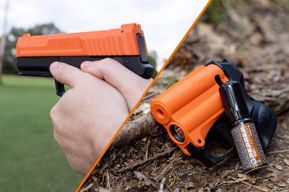
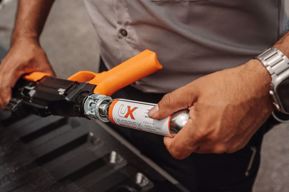
If you are considering pepper spray, pepper gel, or pepper ball launchers, take time to understand how those products work before purchasing them. Pepper Ball Guns 101: The Complete Guide to Less-Lethal Self-Defense provides an educational overview of less-lethal options, their intended purposes, and considerations for responsible ownership.
Laws and regulations vary, which is why it is important to verify current requirements before purchasing or carrying any self-defense product. Restricted Shipping provides additional information regarding product restrictions and location-specific limitations that may affect availability.
If you decide to own any personal safety tool, become familiar with its operation, storage requirements, maintenance recommendations, and manufacturer instructions. Product Manuals and First Aid provide additional educational resources related to safe handling, preparedness, and post-exposure considerations.
The most effective approach is usually the least dramatic one. Build a strong foundation first. Understand your apartment, your routines, your emergency plans, and your responsibilities. Then evaluate whether a personal safety product meaningfully supports that larger strategy.
Common Mistakes People Make When Living Alone
Most apartment-safety problems are not caused by a lack of equipment.
More often, they stem from assumptions.
One common mistake is assuming that feeling comfortable in a space means there is nothing left to evaluate. Familiarity can be helpful, but it can also encourage people to stop paying attention to small issues that deserve attention. A lock that occasionally sticks, a broken gate that remains unrepaired, an exterior light that stays out for weeks, or a door that no longer closes properly may not seem urgent on any given day. Over time, however, small problems can become part of the background simply because people see them so often.
Another common mistake is relying entirely on products while neglecting habits. Security devices can be valuable, but they are generally most effective when they support an existing routine. A camera is more useful when residents consistently review notifications. A lock is more useful when visitors are verified before the door is opened. A preparedness kit is more useful when people know where it is stored and what it contains. Good habits create value from the tools people already own.
Some people also make the opposite mistake by believing safety requires constant vigilance. Living alone should not feel like a full-time security exercise. If a safety strategy creates anxiety, interferes with normal activities, or encourages someone to view every interaction as suspicious, it may be creating more problems than it solves. Effective safety practices should support confidence and independence, not undermine them.
Perhaps the most common mistake is waiting until something feels wrong before thinking about safety at all. Preparation tends to work best when it happens before it is needed. Knowing who to call during an emergency, understanding how building access works, identifying exits, storing important information, and establishing communication habits are all easier to do when there is no immediate pressure.
Most people will never encounter a serious apartment-safety incident.
That is good news.
The goal of preparation is not to expect the worst. It is to make sure that if something unexpected does happen, you are not starting from zero.
Key Takeaways
Living alone changes the way people experience everyday situations, but it does not require living in fear. The most effective apartment-safety strategies are usually built around preparation, awareness, communication, and thoughtful decision-making rather than constant vigilance.
Simple habits often provide the greatest long-term value. Verifying visitors, managing access carefully, understanding building procedures, maintaining emergency contacts, and paying attention to changes in your environment can contribute more to everyday safety than many people realize.
Apartment security should be viewed as a system rather than a collection of products. Doors, locks, emergency preparedness, visitor management, situational awareness, and personal safety planning all contribute to the larger picture.
If self-defense tools are part of your preparedness strategy, take time to understand legal requirements, storage considerations, maintenance responsibilities, and training needs before making a purchase decision.
The goal is not to eliminate every risk.
The goal is to create enough preparation, awareness, and confidence that you can enjoy the independence of living alone while feeling comfortable in your environment.
Frequently Asked Questions
Is living alone in an apartment safe?
For most people, yes. Apartment living can be a safe and rewarding experience when residents understand their environment, develop practical routines, maintain awareness of shared spaces, and address safety concerns proactively.
What are the most important safety habits for someone living alone?
Visitor verification, access management, emergency planning, communication with trusted contacts, and awareness during everyday transitions such as arriving home or answering the door are among the most valuable habits.
How can I feel safer living alone without becoming paranoid?
Focus on preparation rather than fear. Good safety habits should increase confidence, not anxiety. The goal is to understand your environment, develop practical routines, and make informed decisions without treating every situation as a potential threat.
Should I tell people that I live alone?
There is no universal answer. Many people choose to be thoughtful about how much personal information they share with acquaintances, service providers, or strangers. Consider your comfort level and the context of the conversation when deciding what information to disclose.
What should be included in a personal safety plan?
Most plans include emergency contacts, communication strategies, important phone numbers, first aid supplies, backup charging options, and basic preparation for common disruptions such as power outages, lockouts, or transportation issues.
Are self-defense tools necessary for people who live alone?
Not necessarily. Some people choose to include personal safety tools as part of their preparedness strategy, while others focus on apartment security, awareness, communication, and emergency planning. The best approach depends on individual circumstances, preferences, and applicable laws.
What should I do if something about my apartment feels unsafe?
Document concerns, report maintenance issues promptly, communicate with property management, and seek assistance when appropriate. If you believe there is an immediate threat to safety, contact local authorities or emergency services.
Works Cited
Ready.gov. Make a Plan. Referenced for emergency planning and preparedness guidance.
National Crime Prevention Council. Residential Safety and Security Resources. Referenced for residential security and personal-safety considerations.
U.S. Fire Administration. Residential Fire Safety Resources. Referenced for emergency preparedness and residential-safety guidance.
First Apartment Safety Checklist: What to Check Before and After You Move In
How to Secure an Apartment Door Without Permanent Changes
Pepper Ball Guns 101: The Complete Guide to Less-Lethal Self-Defense