


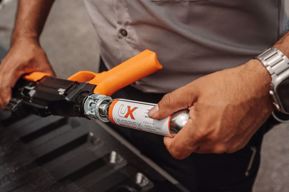
Pepper balls might seem like low-maintenance gear you can stash away and pull out when needed, but that's a risky mindset. As less-lethal ammunition for home defense, personal protection, or training, they're perishable items. Over time, their shells can weaken, seals might fail, and overall performance could falter—potentially when you need them most.
This guide breaks down if pepper balls truly expire, what impacts their longevity, best storage methods, inspection routines, and safe disposal steps. It's all about keeping your setup reliable and safe in a thoughtful defense strategy. For help picking the right ammo size, check our .50 vs .68 caliber guide.
Quick Insight: Do Pepper Balls Expire?
Yes, pepper balls can degrade or expire, though exact timelines depend on the brand, build quality, and how they're stored. Some come with printed expiration dates or batch codes suggesting a usable window; others don't. Regardless, factors like age, heat, moisture, and handling play a big role. Smart storage and regular checks are your best defenses against unreliability.
What Influences Pepper Ball Shelf Life?
Not all pepper balls are created equal—variations in materials, irritant mixes, and construction lead to different lifespans across brands and lots.
Main contributors include:
- Packaging Quality: Original seals block out air, moisture, and light. Once breached, breakdown speeds up.
- Environmental Factors: Extreme heat, cold snaps, high humidity, or sun exposure can crack shells, spoil irritant powder, or create internal moisture.
- Physical Wear: Bumps, drops, or constant movement might cause hidden cracks that compromise function.
- Chemical Interference: Contact with oils, cleaners, fuels, or solvents can erode materials or taint the contents.
- Formula Differences: Each maker's irritant (like oleoresin capsicum) and shell recipe ages uniquely—always follow their specs if provided.
Consistency in care pays off: Well-protected rounds often outlast those in harsh conditions by years.
Smart Storage Strategies to Extend Usability
The key to longer-lasting pepper balls? Intentional storage that shields them from common threats.
Stick to these proven tips:
- Prioritize manufacturer guidelines on temperature and limits.
- Choose a stable, indoor spot that's cool, dry, and dark—think climate-controlled rooms.
- Steer clear of garages, sheds, or cars where temps swing wildly.
- Prevent condensation by avoiding big temperature shifts.
- Retain factory packaging for UV and impact protection.
- Elevate storage on shelves or in bins to dodge ground moisture or crushing.
- Implement FIFO (first in, first out) rotation, marking packages with buy dates.
- Isolate from chemicals, fuels, or household cleaners.
- Lock away to block access by kids or others.
These apply equally to irritant, rubber, and inert varieties.
Pre-Use Inspection: Your Visual Safety Check
Always scan a few rounds from a batch before chambering them. Spot problems? Quarantine the whole group.
Watch for:
- Shell cracks, dents, or odd shapes.
- Leaked powder or residue in the package.
- Color changes, spots, or mold hints.
- Textures that feel too soft, brittle, or tacky.
- Ripped or soggy packaging.
- Strange smells, like chemicals gone wrong.
If something's amiss, skip them for live use. Better safe than sorry.
Using Older Pepper Balls: Is It Worth the Risk?
Age isn't an instant disqualifier, but doubt about condition is.
If they've been:
- Stored ideally,
- Within brand recommendations,
- Damage-free visually,
They could still work fine. That said, for critical defense, prioritize certainty—relegate aging stock to practice and keep fresh ones ready.
Handling Old or Damaged Rounds: Safe Disposal
Follow brand and local rules for getting rid of them.
Standard steps:
- Refer to maker's disposal advice.
- For irritants, check hazardous waste regs in your area.
- Avoid regular trash for irritant types unless okayed.
- Inquire about take-back programs from sellers.
- Log disposals for professional setups.
Don't DIY by cracking them open or trying to neutralize contents.
For Dealers and Training Ops: Inventory Management
Handling bulk ammo? Systematic tracking prevents surprises.
Key habits:
- Log batches and acquisition dates.
- Inspect quarterly or more.
- Add "check by" labels if dates are missing.
- Segregate inert/practice from live.
- Train teams on protocols.
- Rotate to use oldest first.
This cuts losses, boosts safety, and aids regulatory compliance.
Practice and Testing Smarts
Save prime ammo for real needs—don't waste it on routines.
- Rely on inerts for skill-building.
- Test launcher function with practice rounds.
- Only fire lives post-inspection.
- Gear up with eye pro and gloves for checks.
Ongoing sessions spot issues early and sharpen your edge.
Legal and Safety Notes
Rules on storing, tossing, or moving irritant products differ by place. This is general info only—not advice.
To comply:
- Research state/local laws.
- Pull up Safety Data Sheets if available.
- Get expert input for big stocks.
Start with official resources like state sites.
At-a-Glance Checklist: Storage and Checks
- Scan for exp dates or codes on packs.
- Keep sealed in cool, dry, shaded spots.
- Dodge extremes in heat, cold, humidity.
- Use FIFO rotation.
- Eyeball before loading.
- Divide practice from defense ammo.
- Dispose properly per rules.
Helpful Links
- Shop ammo: Pepper, Dust, and Rubber Options
- Launchers basics: Pepper Ball Guns 101
- Laws by state: Legal Resources
FAQs
Do pepper balls come with expiration dates?
Some brands stamp dates or codes; others skip it. Always inspect packaging.
Safe to use old ones that appear okay?
Looks can deceive. Use them for drills if unsure, and go fresh for protection.
Typical storage lifespan?
Depends on brand and care—properly kept, they might last years, but inspect to confirm.
Do unused pepper balls deteriorate?
Absolutely—bad storage like heat or moisture harms them over time.
Rubber rounds expire like irritants?
They lack chemicals but still age from wear or environment—treat them the same.
Effects of hot car/garage storage?
Heat degrades everything faster; avoid for long hauls.
Spotting damage?
Look for cracks, leaks, off colors/smells, weird feels, or bad packs.
Trash expired ones?
Not always—irritants might need special handling; check local laws.
Rotate ammo stock?
Yes, FIFO keeps things fresh.
Inspection frequency?
Every few months for personal; more structured for pros.
A Thoughtful Take on Readiness
Defense prep goes beyond buying—it's ongoing care. Pepper balls thrive with attention: store right, check often, judge wisely. That way, your less-lethal options deliver when it counts.
Reliable ammo isn't overkill; it's smart accountability.