
In a world where personal safety often means striking a balance between protection and restraint, pepper balls emerge as a smart, targeted option. They're not just "pepper spray in a ball"—that's too simplistic. These projectiles bridge the gap between close-range sprays and firearms, offering distance and deterrence without jumping straight to lethal force.
This article dives into the essentials: what pepper balls really are, how pepper balls function, when they're a good fit, and when they're not. We're not pushing specific pepper ball products here, just arming you with the facts to decide if they suit your defense strategy. If you're curious about the guns that launch them, check out our Pepper Ball Guns 101 guide.
Quick Take: What Are Pepper Balls?
Pepper balls are less-lethal projectiles launched from specialized devices. They either release a pepper irritant on impact or deliver a blunt rubber strike, aiming to stop threats from afar while minimizing serious harm.
Breaking Down Pepper Balls
At their core, pepper balls are small, spherical rounds fired from compatible launchers. Some shatter on contact to unleash an irritant cloud, while others hit like solid rubber for pure kinetic effect. Okay, so what sets them apart from standard pepper spray? Spray products activate at the nozzle, limiting your range and increasing the risk of blowback. Pepper balls, on the other hand, deliver their payload precisely where they land, allowing you to engage from 15 to 20 feet away, or more, depending on the setup. This precision buys precious time to retreat or call for help. Distance is your friend in self-defense scenarios, and pepper ball guns make this possible. These aren't gadgets for fun; they're serious tools used by everyday users, security teams, and police in scenarios that demand control without chaos.
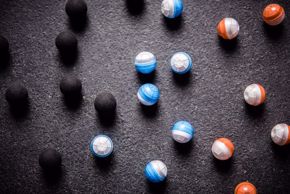
The main types of pepper ball ammo brands differ in specifications and manufacturing methods. For example, the core defense pepper balls include a steel ball bearing at their center, which makes them more accurate when fired and improves breakage in the event the bad guy is wearing something soft, like a puffy coat. Pepper ball gun projectiles fall into three key types based on their function.
Irritant (Pepper-Filled) Rounds
These feature a fragile shell packed with powder from oleoresin capsicum (OC), the active ingredient in peppers that causes that fiery burn. On impact with a person or surface, the shell breaks, spreading the powder. The result? Intense eye watering, forced blinking, skin burning, coughing fits, and confusion. It's meant to overwhelm temporarily—enough to halt an attack and let you escape—without lasting damage when used right.
Rubber Kinetic Rounds
No chemicals here—just solid rubber that relies on impact to deter. Fired at safe distances, they can knock the wind out of someone or disrupt their advance, avoiding the mess of irritants. They're ideal for spots where powder could cause issues, like homes with kids, pets, or people with breathing problems, or indoors where ventilation is spotty.
Inert or Practice Rounds
These mimic the real thing in shape, weight, and trajectory but pack no punch—literally. They're for drills, helping you master loading, aiming, and firing without real risks. Training isn't optional; it's essential. Getting comfortable with inert rounds builds muscle memory for high-stress moments.
How Pepper Balls Actually Work: The Launcher Side
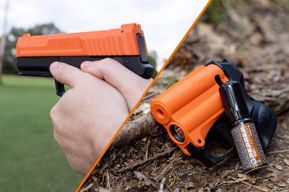
Pepper balls need a launcher to shine, think pistols or rifle-like models powered by CO2 cartridges or compressed air. We break down the different types of pepper ball guns in our resource guide, Pepper Ball Guns 101.
In short, here's the step-by-step outline on how pepper ball guns work:
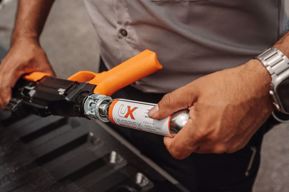
- Load the power source: Insert a CO2 cartridge or pump up the air tank.
- Feed the ammo: Slide rounds into a magazine or chamber.
- Aim: Line up your sights on the target.
- Fire: Squeeze the trigger to release gas, propelling the ball.
- Impact: It either explodes into irritant or thuds with rubber force.
Simple in theory, but effective range and accuracy depend on the launcher and your skill. Pepper ball pistols like the Secure 68P Pistol have an effective range of 20 yards or less, but the Defensor 68P pepper ball rifle launcher has a muh longer range of 50+ yards.
A Straightforward Explanation of Pepper Ball Mechanics
Launched by gas pressure, these balls zip toward the target. Pepper types burst into a cloud; rubber ones just smack. Keep in mind: Powder can hang in the air longer than liquid spray, especially indoors, potentially affecting innocents nearby.
What Pepper Balls Deliver, and What They Don't
Misconceptions about pepper ball launchers and pepper ball ammunition abound, so let's clarify.
They are:
- Tools for non-lethal defense
- Built for creating space and stopping threats
- Most effective with proper training
They aren't:
- Safe at point-blank; impacts can bruise or worse
- Foolproof fixes for every threat
- Substitutes for staying alert or having a plan
Grasping these realities keeps expectations grounded.
Real-World Scenarios Where Pepper Balls Shine
No tool fits every situation, but pepper balls stand out in these common situations.
Home Protection
For defending your space, they let you respond before things get physical. Rifle-style launchers with bigger rounds offer better control and reach, perfect for covering doors, halls, or even your yard. They fit into broader setups alongside cameras, lights, and locks, adding a layer of deterrence.
Everyday Carry and Personal Safety
Compact pistol launchers with smaller rounds are easier to handle and store. They extend your reach beyond arm's length, making them a step up from pocket sprays for walks or commutes.
Professional Security
Guards and pros use them to maintain distance in crowds or volatile spots. Sometimes, just showing the launcher de-escalates things—no shot needed.
Pepper Balls vs. Pepper Spray and Gel: The Comparison
To pick the right irritant, stack them up. Pepper spray is ultra-portable and easy, but short-ranged (under 10 feet) with wind risks. Gel sticks better, reducing drift, but still requires close spacing. Pepper balls? Longer shots (up to 60 feet in some models) and targeted delivery. Downside: You need the launcher and practice. They're complements, not swaps; use balls for standoff and sprays for quick draws.
Caliber Choices: .50 vs. .68
Most pepper balls come in .50 or .68 caliber, measuring the ball's width. This affects payload, power, and what launcher works. 50 cal is lighter, suiting handguns for agility. .68 cal packs more oomph, often for rifles emphasizing distance. However, with the new Secure 68P handgun from Prepared 2 Protect, you can get the benefits of .68 caliber in a handgun-style launcher. Most importantly, no matter what size pepper ball launch you choose, you MUST stick to your launcher's specified caliber; mismatching is dangerous. Dive deeper in our .50 vs. .68 caliber guide.
Safety First: Handling Pepper Balls Responsibly
Less-lethal doesn't mean risk-free. Close shots can injure eyes, skin, or bones.
Best practices:
- Drill with inert powder or rubber balls first
- Keep distance; no muzzle contact
- Factor in wind and crowds for irritants
- Lock up gear to prevent misuse
True readiness means skill, not just stuff.
Legal Realities and Practical Tips
Regulations differ by state and city, some treat launchers like firearms, others like sprays. Shipping bans or age limits might apply. This isn't advice; check your local laws via official sites or experts. Start with resources from groups like the NRA or state attorneys general.
When to Skip Pepper Balls
They're not for tiny rooms with bad air flow (powder lingers), hands-on takedowns, or if you won't practice. Legal hurdles could rule them out too. However, getting hit with a rubber ball traveling at 350+ feet per second hurts badly, not to mention if the target is hit more than once. We love the power of pepper balls, but they are not always the perfect fit. Some users also stack magazines with a combo of pepper balls and rubber balls. Knowing limits is smart planning.
Pepper Balls Quick Reference
- Category: Less-lethal ammo
- Fired via: CO2 or air-powered launcher
- Sizes: .50 and .68 cal
- Effects: Irritation or impact
- Best for: Homes, personal defense, security
- Edge: Safe distance without deadly force
Getting Started: A Buyer's Checklist
- Match ammo to your launcher
- Pick types based on your setting (irritant for outdoors, rubber for indoors)
- Grab practice rounds
- Store cool and dry
- Double-check laws
Pepper balls aren't about ramping up aggression; they're about smart choices. They give you breathing room to think and act wisely in tense spots.
So, what is the best tool for self-defense? One you've mastered through practice. In a well-rounded plan, pepper balls can be a solid, non-lethal addition and, when chosen carefully and used with care, offer a powerful solution.
FAQs
Do pepper balls cause lasting harm?
Designed for temporary effects, but poor use or close range can lead to bruises, cuts, or eye damage.
Are pepper balls safe to use indoors?
Possible, but irritants spread—opt for rubber if ventilation sucks or others are around.
Are they legal everywhere?
No, varies widely. Research your area's rules on less-lethal weapons.