

The Complete Homeowner's Guide to Less-Lethal Self-Defense
Picture this: It's late at night, and you hear a suspicious noise downstairs. Your heart races, but you're prepared with tools that can stop a threat without resorting to deadly force. As a homeowner, no one wants to imagine defending their family or property from an intruder. Yet, statistics show it's a real concern. According to the Council on Criminal Justice's Year-End 2025 Update, reported residential burglaries fell 17 percent in 2025 compared to 2024 across studied cities, continuing a multi-year decline. The same report notes that residential burglaries were 45 percent lower in 2025 than in 2019, reflecting broader drops in property crimes. Still, the FBI's Crime Data Explorer indicates that burglaries overall decreased by 12 percent from October 2024 to September 2025, with hundreds of thousands of incidents occurring annually nationwide. That's why less-lethal self-defense tools are gaining traction. They offer a way to deter or incapacitate someone temporarily, giving you time to escape, call for help, or de-escalate without the irreversible consequences of lethal options.
Less-lethal tools prioritize restraint and safety. They align with ethical considerations and practical realities, like avoiding legal headaches or emotional fallout from using firearms, especially in homes with children or in close-quarters living. That being said, there is no substitute for lawfully owning a firearm to protect yourself and your loved ones. Law enforcement has relied on similar less lethal devices for years, often resolving tense situations without fatalities. For families in apartments where guns might be restricted, suburban dwellers seeking layered security, or rural homeowners needing standoff distance, these alternatives provide empowerment and peace of mind. They're typically easier to store, demand less rigorous training than firearms, and face fewer regulatory hurdles in many areas.
This guide walks you through less-lethal defense from a homeowner's viewpoint. We'll cover staples like pepper spray, the more targeted pepper gel, innovative pepper ball launchers that deploy irritant or rubber projectiles, and supporting options such as alarms and tasers. Expect honest breakdowns of how they function, their pros and cons drawn from real-world applications, tips for matching them to your home setup, whether it's a compact urban apartment or a vast rural spread. Also, you will read crucial advice on storage, training, post-use steps, buying, and some legal basics. All insights here stem from manufacturer guidelines, user feedback, and established safety protocols. Keep in mind that laws differ by location, so consult local authorities or experts for your specifics. If pepper balls intrigue you, start with our what are pepper balls guide for a solid foundation. By the end, you'll be equipped to craft a Less-lethal strategy tailored to your life.
Exploring Less-lethal Options and Their Key Differences
Building a solid home defense plan starts with knowing your tools. Less-lethal options aren't interchangeable. They differ in mechanics, reach, user-friendliness, and fit for various threats. Let's break down the popular ones to help you evaluate what aligns with your setup, from a tiny condo to a spacious estate. Understanding these variations ensures you pick gear that performs reliably rather than gathering dust.
Pepper Spray (Aerosol Form)
Pepper spray remains a top entry-level choice for self-defense. It's a compact canister pressurized with oleoresin capsicum (OC), a natural extract from hot peppers, blended into a liquid that ejects as a mist or stream. On contact with an intruder's face, it triggers severe irritation in the eyes, nose, and throat, causing temporary blindness, intense coughing, and confusion. Effects typically linger for 20 to 45 minutes, ample time to summon help or flee. What stands out? Its portability shines. Models clip to keys, slip into pockets, or mimic everyday items like pens, often costing under $20. Activation is straightforward: Aim and squeeze. That said, its range tops out at 5 to 10 feet, suiting sudden close encounters like at a door. Drawbacks include wind potentially redirecting the spray toward you or others, and reduced impact on masked or intoxicated individuals. For home use, it's perfect stashed by the bed or front door as a quick-response item. Store upright in a cool area to preserve the propellant's strength. Studies and expert reviews, like those from SABRE, highlight its mid-range protection but stress the need for direct hits to maximize effectiveness.
Pepper Gel
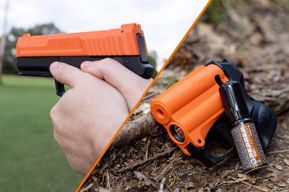
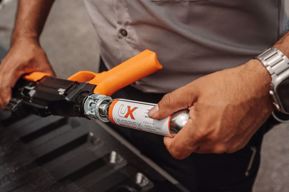
Pepper gel refines the spray formula by delivering the same OC irritant in a viscous, adhesive stream. This format cuts down on airborne spread, ideal for breezy spots or indoors where you want to avoid a lingering haze. The gel adheres to skin and fabrics, extending discomfort and resisting easy removal. Key benefits include precision and reduced collateral risk, making it safer around family or pets. Units are slightly bulkier than sprays but still highly portable, priced at $15 to $30. A popular pepper gel gun is the P2P PGS II, a compact pepper gel gun with included flashlight that activates on trigger pull. Range extends to 10 to 15 feet, though it may not disperse as widely on a miss. Homeowners in multi-unit buildings or with young kids often prefer it for its containment. Practice with an old canister outdoors to understand the feel, and swap out every two to four years as pressure fades. According to Salt Supply Co., the effects mirror traditional spray, including eye burning and respiratory distress, but with less chance of self-exposure.
Pepper Ball Launchers (Irritant Projectiles)
For a step up in capability, pepper ball launchers use pistol or rifle-like devices to propel small spheres packed with irritant powder. These .50 or .68 caliber balls, driven by CO2, shatter on impact to unleash an OC cloud, blending physical strike with chemical disruption for potent deterrence. A popular pepper ball handgun launcher to consider is the P2P 68P for a full size handgun or for a more compact pepper ball launcher check out the P2P HDP 50. Standout features: Impressive range of 30 to 50 feet or more, letting you respond from a secure position. Options include irritant for overwhelming effects or practice rounds for drills, with bursts that focus irritation locally. Pistols emphasize quick handling; long guns add accuracy. Expect to spend $100 to $300. Training is essential for aiming under pressure, and indoor use requires ventilation to prevent affecting bystanders. Some jurisdictions view them as projectile weapons, so verify rules. They're great for home perimeters, like hallways or yards. Prepared 2 Protect notes that the impact-plus-cloud combo often halts aggressors faster than spray alone, though real-world tests on Reddit mention occasional non-detonating bounces.
Rubber or Impact Rounds (Kinetic Only)
Rubber rounds ditch chemicals for straightforward blunt force like the Core Defense .50 Cal Rubber Ball or the Core Defense .68 Cal Rubber Ball. Launched from compatible devices, these durable projectiles deliver a stinging blow to interrupt advances without breaking skin when used at proper distances. Pros: No residue, so they're suitable near allergies, animals, or confined areas. Effects kick in instantly without haze concerns. Cons: Potential for bruises or worse if fired too close, plus the need for spot-on targeting. Ammo costs $20 to $50 per package. In homes, they complement launchers for outdoor or garage scenarios. Always begin with inert variants to assess impact safely. User experiences shared on forums like The High Road emphasize their role in layered defense, providing a non-chemical option for varied threats.
Other Less-lethal Alternatives: A Quick Rundown
Don't stop at peppers. Tasers deploy electrified probes for immobilization, effective but often requiring licenses and starting at $300. Batons provide melee deterrence but demand strength and legal savvy. Passive layers like piercing alarms (over 100 decibels), floodlights, or fortified locks deter before confrontation. Premier Body Armor recommends combining them for a multi-tiered approach: Alert first, then defend if necessary. Adding items like door wedges or window sensors can further enhance prevention without active engagement.
In-Depth Look at Pepper Ball Launchers, Calibers, Ammo Choices, and System Selection
Pepper ball systems offer unmatched flexibility, so let's unpack the nuances to see if they suit your home. These are serious setups, not gadgets, with decisions impacting usability and outcomes. Choosing wisely involves considering your space, skill level, and potential scenarios. Manufacturers like Prepared 2 Protect provide models backed by testing, ensuring reliability in real use. Feedback from users on sites like Amazon highlights how these tools bridge the gap between sprays and more advanced options.
Types of Launchers and Their Trade-Offs
Pistol models, usually .50 caliber, prioritize compactness for easy storage in drawers or vehicles. They handle recoil lightly, aiding control for all users, but shorter sights limit long-range precision, making them ideal for indoors. Rifle or shotgun styles, often .68 caliber, focus on steadiness with longer barrels and stocks for better targeting, especially in dim conditions. They accommodate more ammo for extended scenarios, fitting homes with open layouts or exteriors. The bulk can hinder tight maneuvers. Match to your space: Pistols for urban dwellings, rifles for suburban or rural spreads. Experts suggest testing both in controlled settings to feel the differences.
Caliber Breakdown: .50 Versus .68
Caliber dictates projectile size, affecting capacity and potency. .50 offers lighter weight for agile pistols, smoother trajectories nearby, and milder recoil for repeated shots. It supports efficient ammo carry but delivers less irritant or force. Great for speed-focused defense. .68 packs heavier payloads for amplified effects, whether chemical clouds or kinetic thuds, extending reach with rifle platforms. It's powerhouse for deterrence but adds weight and kick, necessitating extra practice. Prioritize .68 for distance; .50 for agility. Our .50 vs .68 comparison dives into specs. Reviews on Defense Maven note that .68 often feels more authoritative in outdoor tests.
Ammo Varieties: Irritant, Inert, and Rubber
Irritant balls explode into OC powder for sensory overload, burning eyes and inducing coughs. Ventilate well in homes to protect your household. Rubber variants thud for physical halt, cleaner for sensitivities but range-sensitive to prevent harm. Inerts replicate flight for risk-free training. Maintain a variety: Irritants for main threats, rubber as alternatives, inerts for honing skills. Brands like PepperBall ensure consistent manufacturing, reducing duds. For a more in-depth article on understanding pepper balls vs rubber balls, check out What Are Pepper Balls?
Range and Accuracy Insights
Pistols reliably reach 20 to 30 feet; rifles extend to 50 plus. Variables like environment and posture influence hits, but upgrades like lasers improve odds. Stress reduces precision, per Reddit discussions on training, so drill regularly. They surpass sprays in standoff, as SABRE confirms with 10 to 14 feet for sprays versus farther for projectiles. Adding sights can boost hit rates by 20 percent in practice sessions, according to user reports.
Capacity, Magazines, and Reloading
Some hold 5 to 10 rounds; others 15 or more. Swappable magazines speed pistols; cylinders aid revolvers. For homes, opt for higher to cover unknowns, without excess bulk. Practice reloads to build instinct. High-capacity models from Byrna allow for multiple engagements without pause.
Maintenance for Long-Term Reliability
Clean after sessions, seal CO2, and check for degradation. Monthly inert tests ensure readiness. Consistent care guarantees performance. Lubricate moving parts lightly to prevent jams, as recommended by manufacturers. Store in dry conditions to avoid corrosion.
Buying Tips and System Matching
Begin with caliber, then align ammo. Choose warranted brands with strong reviews. Start with practice kits. Explore our less-lethal catalog for bundled options. Budget for accessories like holsters for better integration into daily routines.
Tailoring Tools to Your Home Environment
Every home is unique, so align choices with your reality. Here's how common setups influence selections. Factors like layout, family members, and local threats shape the ideal mix. Always test in your space to confirm fit. Combining active and passive tools creates redundancy.
Apartment or Compact Living (Multi-Unit Buildings)
Limited space means fast, contained responses. Pepper gel's targeted stream avoids shared-air contamination. Basic sprays serve for immediate access. Skip widespread projectiles. Bolster with door alarms and awareness drills focused on escapes. In such environments, quick deployment is key to preventing escalation.
Suburban Single-Family Homes
Roomier layouts allow range. A .68 rifle launcher handles exteriors with mixed ammo; gel backs up indoors. Central locked storage works. Integrate outdoor lights. Family rehearsals clarify roles. This balance covers both inside and outside threats effectively.
Rural or Large Properties
Expansive areas demand distance. .68 systems with varied rounds cover grounds; sensors and cameras enhance. Multi-location storage aids quick grabs. Train for elements like weather. Perimeter focus here prevents intruders from closing in.
Professional or Security Applications
Standardize launchers with team protocols. Pistols for patrols, rifles for fixed points. Log training and comply with laws. Blend gels for groups, projectiles for separation. Documentation ensures accountability in high-stakes settings.
Essential Training, Handling, and Deployment Safety
Tools without skills are liabilities. Training fosters confidence, minimizes mistakes, and demonstrates responsible use in legal eyes. It transforms gear into extensions of your instincts. Start simple and build complexity. Regular sessions keep abilities sharp.
Why Training Is Non-Negotiable
It counters panic-driven errors and boosts effectiveness. Quora experts advise treating less-lethal training like lethal for seriousness. Without it, hesitation could cost precious seconds. Training also helps customize techniques to your home. Ultimately, it promotes safer outcomes for all involved.
Core Training Components
- Fundamentals: Learn safe handling, loading, and clearing.
- Dry Runs: Practice motions without ammo.
- Simulated and Live Sessions: Use inerts on targets, then protected live fires.
- Realistic Scenarios: Role-play intrusions, including low-light and family coordination.
- Judgment and Legal Focus: Review use-of-force laws; prioritize verbal de-escalation.
Deployment Best Practices
Confirm threats visually. Issue warnings if possible. Target precisely, considering bystanders. Monitor airflow for irritants. Afterward, secure the area, contact authorities, and document details. Fast Strike Defense emphasizes regular draw-and-aim practice in safe settings. Always prioritize retreat over engagement when feasible.
Storage, Maintenance, Inspections, and Managing Shelf Life
Proper storage is crucial for keeping less-lethal tools ready and safe. Store all items in cool, dark, dry places to prevent degradation from heat or moisture, which can weaken propellants or shells. Use sealed containers or original packaging to shield from dust and light, and opt for locked cabinets or safes to restrict access, especially in homes with children or visitors. Elevate items off the floor to avoid accidental damage or flooding risks. For launchers, keep them unloaded when not in use to minimize mishaps. Separate ammo types to avoid mix-ups during grabs. Follow manufacturer guidelines for specific tools, like upright positioning for sprays.
Regular inspections catch issues early. Every few months, visually check for cracks, leaks, discoloration, or softness in canisters and projectiles. Test mechanisms with inert rounds to ensure smooth operation without risking live deployment. Note expiration dates on packaging, as most pepper-based items last two to four years under ideal conditions. Rotate stock using a first-in, first-out system to use older items first. If something seems off, downgrade to practice use or dispose properly. This routine maintains reliability and safety.
For shelf life, environmental factors play a big role. High humidity can cause corrosion, while extreme temperatures might burst seals. Always store away from chemicals or fuels that could contaminate. Disposal varies: Follow local hazardous waste rules for irritants, avoiding regular trash to prevent environmental harm. Consult our pepper balls expiration guide for detailed tips on ammo-specific care. Proactive management ensures your tools perform when needed most.
Navigating Legal and Compliance Issues
Legal landscapes for less-lethal tools aren't uniform across areas, so thorough research is essential. Basic sprays are often permitted for adults without felony convictions, but launchers may be classified as projectile devices and subject to stricter regulations in states like California. For a detailed article in California, you can check out Are Pepper Ball Launchers Legal in California. Age restrictions typically start at 18, and some states require permits or training certifications for tasers. Background checks aren't always needed, but prohibited persons like convicted felons may face bans. Labeling requirements ensure products meet safety standards, such as clear warnings on canisters. Transport laws vary, with some prohibiting carry in schools or government buildings.
Compliance steps begin with verifying product specs against local codes. Use resources like state attorney general sites or the NRA for guidance. Be sure to document product purchases and training to show responsibility if questioned. Shipping can hit snags, as vendors often restrict irritant items to certain states. Our California legality guide offers a deep dive into one example. When in doubt, consult a lawyer to avoid unintentional violations. Staying informed protects you legally while enhancing defense.
Handling Aftermath, First Aid, and Documentation
Post-incident actions are as important as the defense itself. For chemical exposures, such as from sprays or irritant balls, move to fresh air immediately to reduce inhalation risks. Flush affected areas with cool water for 15 to 20 minutes, avoiding rubbing, which spreads the irritant. Use mild soap if available, but skip oils or creams that trap residue. Seek medical attention for severe reactions, such as breathing difficulties or prolonged pain. Effects usually subside in under an hour, but monitor for complications. Assist the intruder if it is safe, as humanitarian aid may factor into legal reviews.
For kinetic impacts from rubber rounds, apply ice wrapped in cloth to reduce swelling and bruising. Check for signs of serious injury like fractures or bleeding, and get professional evaluation if needed. Rest the area and use over-the-counter pain relief as appropriate. Always prioritize your safety before aiding others. Document everything: Note times, descriptions, and photos of the scene. This record supports police reports and potential claims. Consult guides from organizations like the Red Cross for more first aid specifics.
Step-by-Step Purchasing and Implementation Checklist
Assessing your needs comes first in the buying process. Evaluate your home's vulnerabilities, like entry points or isolated areas, to pinpoint the required range and features. Consider family input on their comfort level with the tools. Research options online, reading reviews from verified users on sites like Amazon or Reddit for real insights. Budget for not just the device but also ammo, training aids, and storage solutions. Prioritize reputable brands with warranties to ensure quality.
Once selected, match components carefully. Ensure the ammo caliber fits your launcher to avoid malfunctions. Acquire practice rounds upfront for safe familiarization. Train immediately upon receipt, starting with basics before scenarios. Verify legal compliance by checking state laws and any local ordinances. Set up secure storage and discuss plans with household members for coordinated response. Note that some vendors block shipments to restricted areas, so confirm availability early.
Quick Comparison Table
| Option | Range | Containment/Drift | Portability | Training Needed | Typical Use |
|---|---|---|---|---|---|
| Pepper Spray (Aerosol) | Short (0-10 ft) | High drift | High | Low | Everyday carry |
| Pepper Gel | Short-medium | Lower drift | High | Low | Carry, indoor use |
| Pepper Ball (Irritant) | Medium-long | Localized | Medium | Medium-High | Perimeter defense |
| Rubber Rounds | Medium-long | None | Medium-High | Medium-High | Perimeter, security |
| Taser/Stun Device | Short | None | Medium | Medium | Personal security |
Frequently Asked Questions
What makes less-lethal tools effective for home defense?
They provide temporary incapacitation, like the instant behavioral change from the impact of pepper balls and the cloud, as noted by Prepared 2 Protect experts.
How often should I train with these tools?
Aim for regular sessions, at least monthly, including dry-fire and scenarios, per Fast Strike Defense recommendations.
Are less-lethal options legal everywhere?
No, rules vary; for example, projectile devices face restrictions in some states. Always check local laws.
What's the shelf life of pepper-based ammo?
Typically, two to four years if stored properly, but inspect regularly as outlined in our expiration guide.
Can these tools replace a security system?
They're complements; pair with alarms and lights for full protection, as suggested by SABRE.